

If you are comparing pet fees for apartments near Phoenix Sky Harbor Airport, expect the total cost to come from more than one line item: many communities charge an upfront non-refundable pet fee, monthly pet rent, and may also apply breed, weight, or pet-count limits. At Oxford, a pet-friendly apartment community at 3777 East McDowell Road in Phoenix, the stated pet policy is a $400 non-refundable pet fee per pet, $30 monthly pet rent per pet, and a maximum of two pets per apartment home, with breed and weight restrictions that should be confirmed directly with the leasing office.
That answer is the starting point, not the whole decision. For renters who work at or travel often through Phoenix Sky Harbor International Airport, the better question is how pet costs, rules, and on-site pet features affect your monthly housing budget and daily routine, especially if your schedule includes early departures, late arrivals, or long shifts.
How to compare pet fees near Sky Harbor without missing the real cost
Airport-area renters often focus on base rent first, then discover that pet charges change the true monthly cost of the apartment. The most useful way to compare communities is to separate one-time charges from recurring charges. A one-time pet fee affects move-in cash needs, while monthly pet rent affects what you will pay every month you stay in the apartment.
For example, a two-pet household should calculate the policy at the full allowed limit rather than assuming the second pet will cost less. At Oxford, the published policy allows up to two pets per apartment home. Using the stated figures, that means two pets would add two non-refundable pet fees and two monthly pet-rent charges. Before you apply anywhere, ask the leasing team to write out every pet-related amount you would owe before move-in and every pet-related amount that would appear on your monthly ledger.
It is also important to distinguish between a non-refundable pet fee and a refundable deposit. These terms are not interchangeable. A non-refundable fee is a cost of move-in that is generally not returned at the end of the lease, while a deposit may be refundable depending on lease terms and condition issues. If a community uses both terms in conversation, ask which charge is which and whether there are any additional animal-related administrative charges.
Restrictions can matter as much as price. Many renters assume that if a property is described as pet-friendly, any dog or cat will qualify. In practice, apartment communities commonly set limits on the number of pets, breed categories, size, vaccination records, and required screening or registration steps. Oxford states that breed and weight restrictions may apply, so the practical next step is to verify approval for your specific pet before paying application charges or making moving plans.
Another common mistake is comparing only advertised numbers and not the policies behind them. One community may post a lower upfront fee but have higher monthly pet rent, stricter size limits, or less usable outdoor space for dogs. Another may charge more up front but provide on-site features that reduce day-to-day inconvenience. The right comparison is not simply which property is cheapest on paper, but which policy fits your pet, your budget, and your routine near the airport.
Why airport schedules change what pet costs really mean
Phoenix Sky Harbor International Airport is one of the region’s major travel hubs, and people who work there or fly often may keep hours that are very different from a standard daytime schedule. That matters because pet ownership in an apartment is not just a fee question. If you leave home very early or return late, easy pet breaks and predictable on-site access become part of the value you are paying for.
For that reason, look beyond the pet line items and ask how the property supports ordinary pet care on a workday. Oxford’s community amenities include a dog park, and its FAQ also notes on-site pet amenities including pet relief areas. For a resident with a time-sensitive commute to the airport, those features can reduce the need to drive elsewhere for every outing, especially on hot days or on a tight pre-shift schedule.
Parking is another practical part of the decision for airport workers and frequent flyers. Oxford offers covered parking and detached garages, with garages available for an added monthly charge based on availability. Even though parking is separate from pet fees, it can affect your full monthly housing cost if you need to load a carrier, pet supplies, or travel gear regularly. Ask for a complete monthly cost estimate that includes parking, pet rent, and any other recurring charges you expect to use.
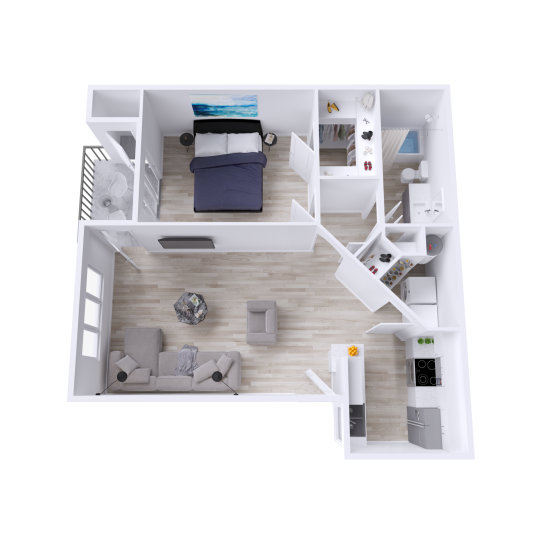
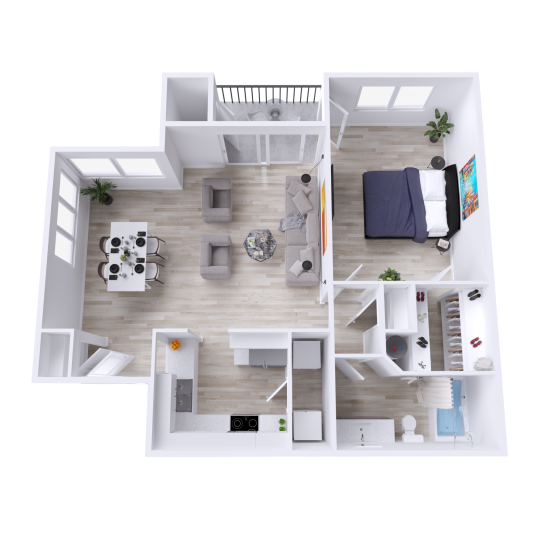
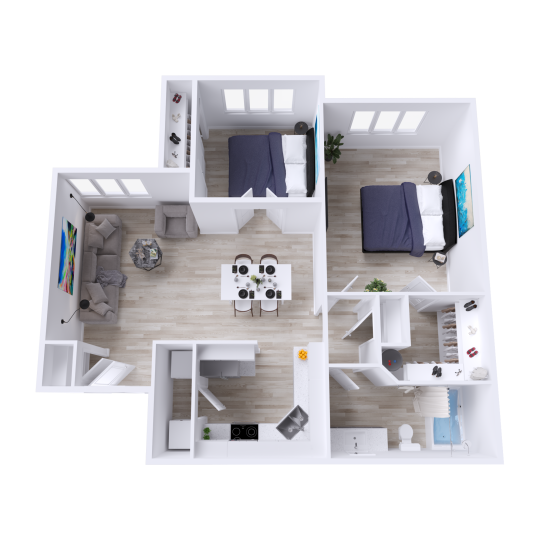
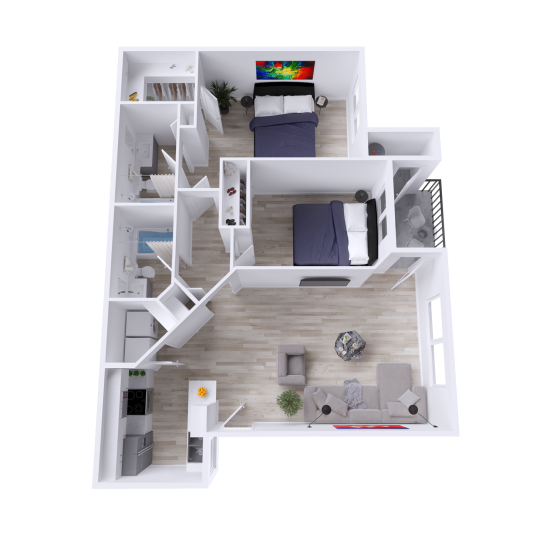
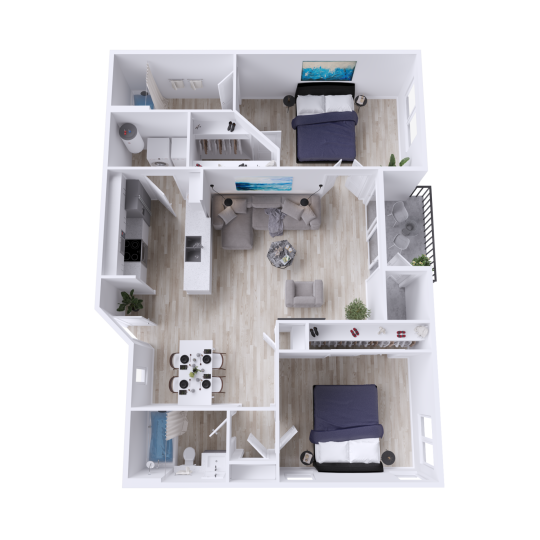
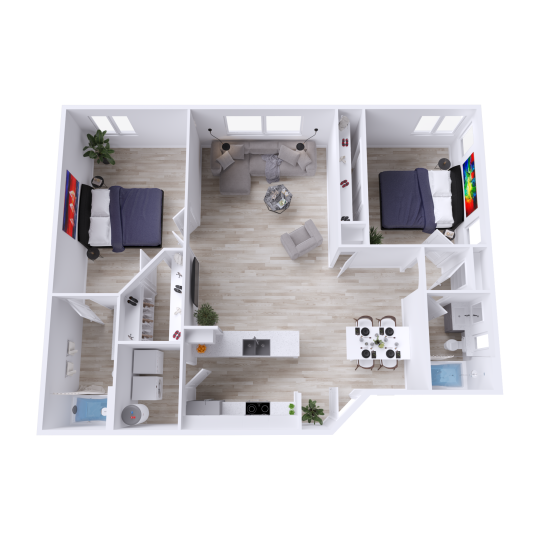
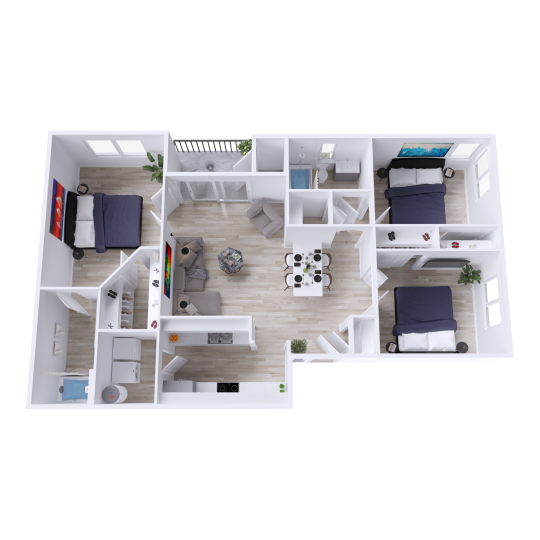
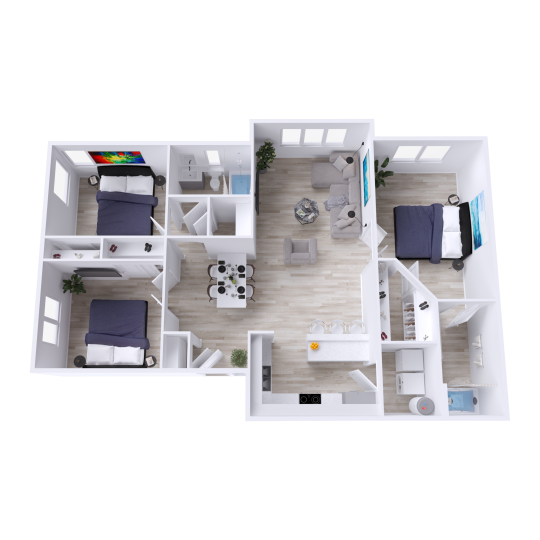
Household size and floor plan also shape how manageable apartment life will feel with pets. Oxford offers one-bedroom and two-bedroom layouts, including a one-bedroom A1 floor plan and several two-bedroom options. A larger layout may give you more flexibility for crates, feeding areas, or separation when needed, but pricing, availability, and move-in timing change over time and should be confirmed directly with the leasing team.
There is also a straightforward trade-off to keep in mind. A community can be close enough to make airport access appealing, but if the pet policy does not fit your actual animal, the location alone does not solve your housing need. The most efficient path is to confirm pet eligibility first, then review the total housing costs, then visit the property and see whether the pet amenities and parking setup work for your routine.
What to verify before you choose a pet-friendly apartment near PHX
Start with documentation. Ask for the current written pet policy, not just a verbal summary. You want to verify the number of pets allowed, each upfront fee, monthly pet rent, any deposit, weight limits, restricted breeds, required records, and whether the rules differ between dogs and cats. Written confirmation helps prevent misunderstandings after approval.
Next, ask specifically about process. Some communities require pet photos, vaccination records, licensing information, or third-party pet screening before move-in. Others may require all pet charges to be paid and paperwork completed before the animal can live in the home. Oxford’s published guidance says required pet fees and paperwork should be completed before your pet joins you in the apartment, which is a useful reminder to handle the pet file early rather than at the last minute.
Then verify the apartment and community setup in person. If a dog park or relief area is important to you, walk to it during your visit instead of assuming it will meet your needs. Check how close it is to the building you are considering, whether the route feels practical for everyday use, and whether the overall outdoor setup suits your pet’s age, size, and energy level. If you are interested in select-home features such as private patios or balconies, confirm that the specific apartment you lease includes them.
Finally, ask for a full move-in worksheet and a typical monthly charge breakdown before making your decision. This should include base rent, pet fee timing, pet rent, parking charges if applicable, utilities that are billed separately, and any required deposits. If Oxford sounds like a fit for your pet and your airport routine, a useful low-pressure next step is to call the leasing office at 623.253.7917 and ask them to confirm your specific pet’s eligibility and provide the current written pet-cost breakdown for the floor plan you are considering.